
Midtown East residences
Grand Central commuter gateway, UN Plaza riverfront, and the upper-floor prewar cooperatives that set the citywide standard.
2 represented buildings. 18 residences. 16 available now. $16,500–$20,000,000.
§ About Midtown East
The neighborhood
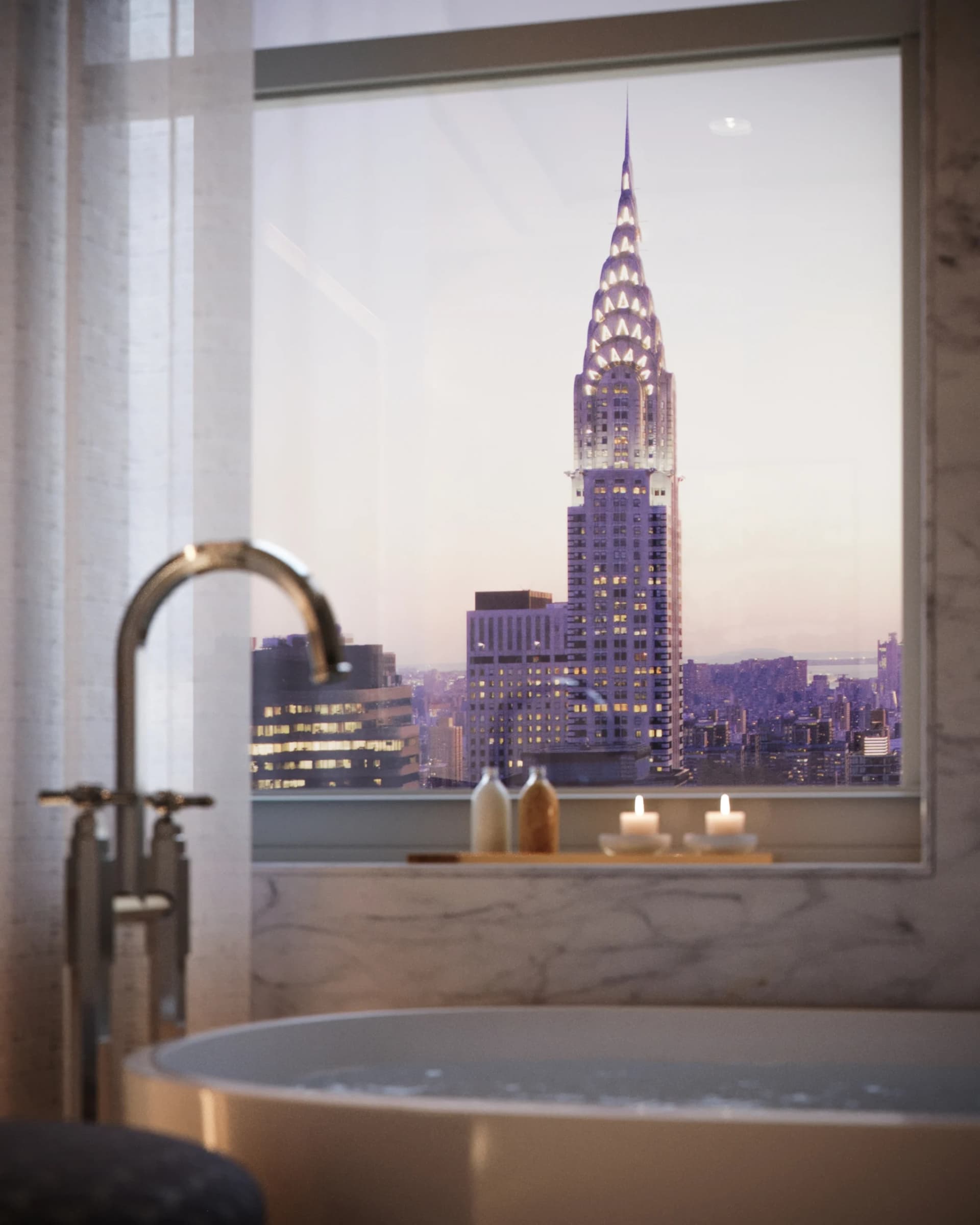
Midtown East runs from roughly 42nd to 59th Streets between Fifth Avenue and the East River. It is the commercial heart of Manhattan — Grand Central Terminal, the Chrysler Building, the Seagram Building, and the United Nations all sit within its boundaries — and also one of the city's most distinguished residential districts on a block-by-block basis.
The sub-neighborhoods tell the story: Turtle Bay (45th–53rd east of Second), Beekman Place (49th–51st east of First), and Sutton Place (54th–59th east of First) each hold landmarked townhouse rows and pre-war cooperative buildings with river views that have remained among Manhattan's most coveted addresses since the 1930s.
Transit is the densest in the city. Grand Central's Metro-North and subway hub (4/5/6, 7, S) plus the new Long Island Rail Road concourse mean every major regional rail line converges within walking distance of any Midtown East address.
Transit
- 4/5/6/7/S at Grand Central
- E/M at Lexington/53rd
- 6 at 51st St
- F at 63rd/Lex
Landmarks
- Grand Central Terminal
- Chrysler Building
- United Nations Headquarters
- Sutton Place + Beekman Place riverfront
Character
- Prewar cooperative prestige
- East River-facing orientation
- Dense transit convergence
- Daytime commercial / quiet evenings
Layouts represented
1 bd · 2 bd · 5 bd
§ Represented
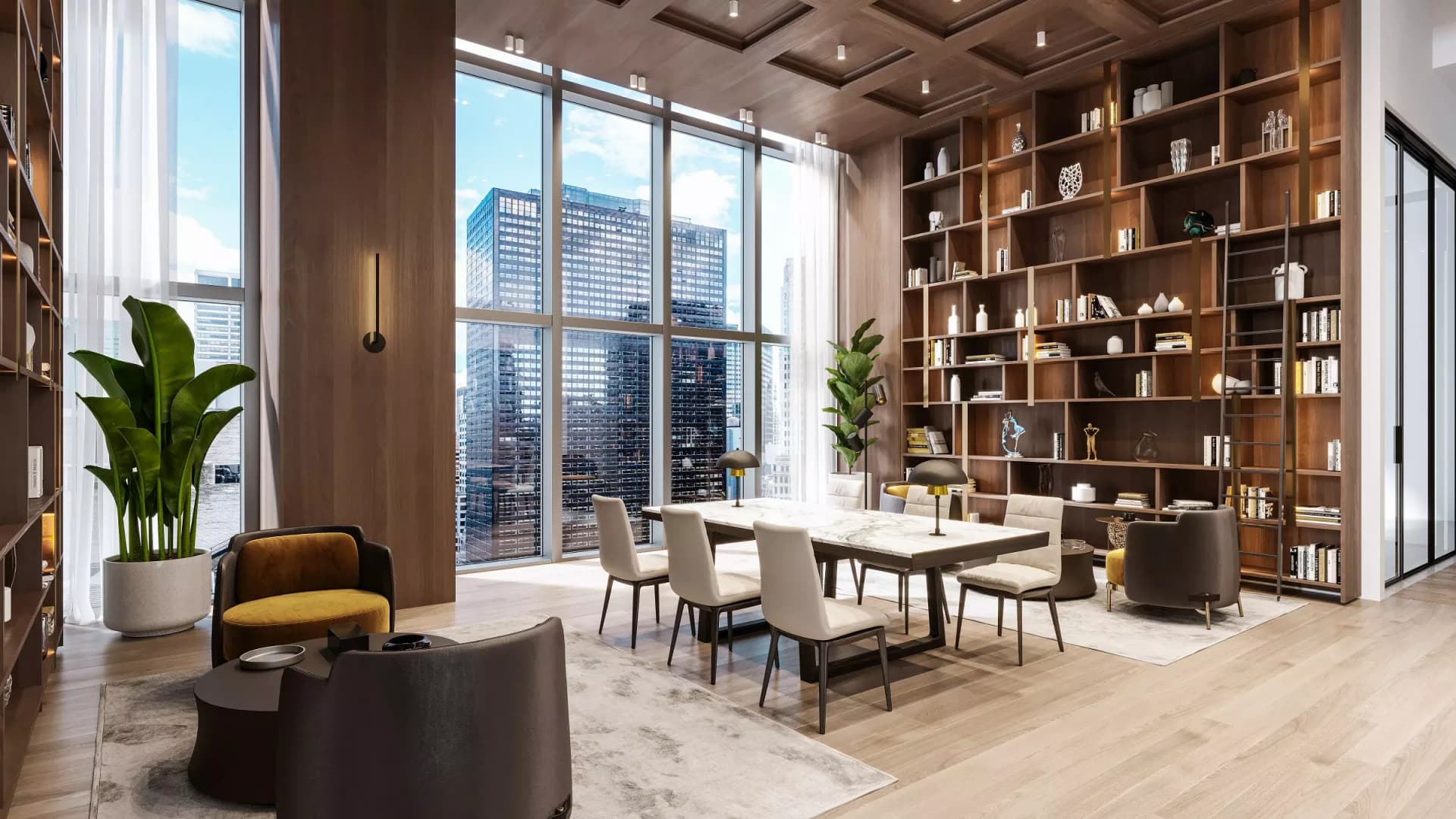
Buildings in Midtown East
§ FAQ
Midtown East questions
- What are the residential sub-neighborhoods of Midtown East?
- The three primary residential sub-neighborhoods of Midtown East are Turtle Bay (45th to 53rd Street, east of Second Avenue), Beekman Place (a short two-block enclave between 49th and 51st east of First Avenue), and Sutton Place (54th to 59th east of First). All three are dominated by prewar cooperative buildings with East River frontage.
§ Nearby
Other Manhattan neighborhoods
- Chelsea
Gallery-district brownstones, elevated rail parkland, and design-forward new construction between the Meatpack…
- West Chelsea
The slice of Chelsea west of Tenth Avenue — galleries, the High Line, and the tallest concentration of starchi…
- Tribeca
Cobblestone lofts, cast-iron landmarks, and Manhattan's most expensive residential zip code — quietly.
- SoHo
Cast-iron landmark district, global flagship retail, and Manhattan's original artist-loft neighborhood.
- NoHo
Six landmarked blocks of prewar loft conversions between the East Village and SoHo — quieter than both.
- Hudson Yards
Manhattan's newest neighborhood — 28 acres of purpose-built residential, retail, and cultural anchors over the…